How AI search works
The mechanics behind the answer — source selection, ranking factors, and what our own citation studies found.
Find the guide for your question

Decoding How Google AI Rankings Actually Work in 2026
Measurement of 55,393 queries shows AI Overview source selection is not just a re-ranking of page one. Here is what the data supports.

What 200,000 AI Citations Reveal About Which Sites Get Cited
Large-scale citation research shows AI answers concentrate on a narrow set of domains, favour question-led formats and reward established pages.
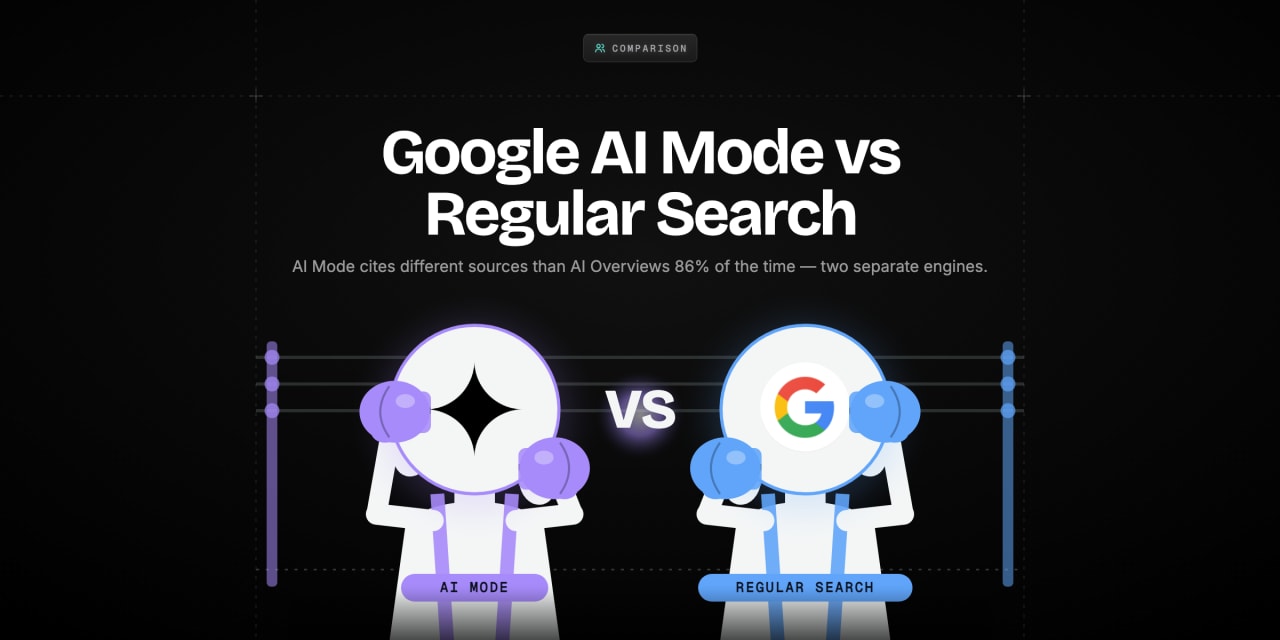
Google AI Mode vs Regular Search: Is AI Mode Really Better?
A clear comparison of Google AI Mode vs regular search: when AI Mode wins, when traditional search still wins, and why AI Mode benefits remain underrated.

We Analyzed 500 AI Search Citations: What Actually Gets Cited
We logged 500 real AI search citations across ChatGPT, Perplexity and Google AI Overviews. Here is what got cited, what didn't, and why.
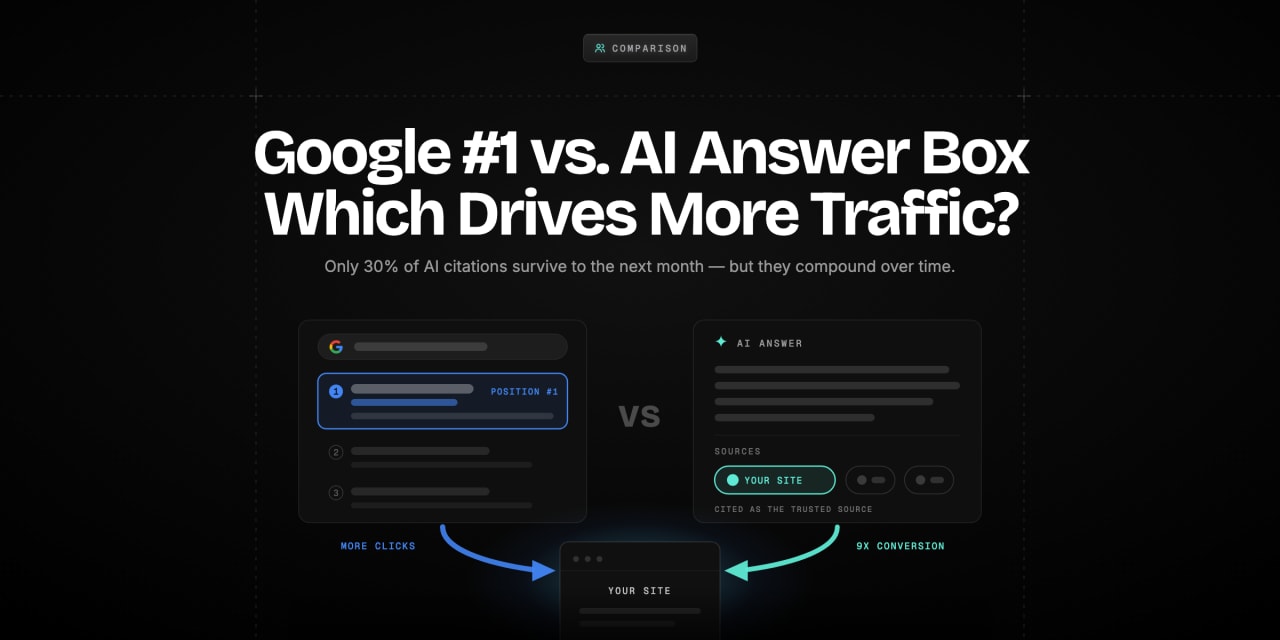
Google #1 Ranking vs. AI Answer Box: Which Drives More Traffic in 2026?
Is it better to rank number one on Google or be featured in an AI answer box? We compare real traffic, conversion, and brand impact data to help you decide where to focus.
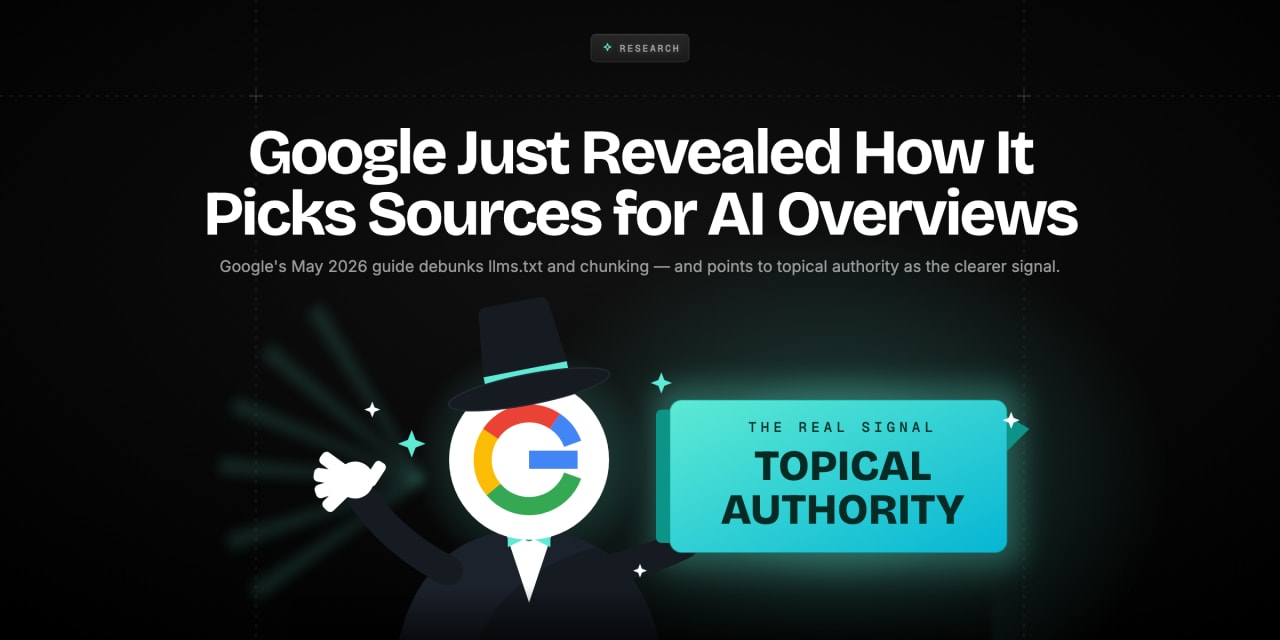
Google Just Revealed How It Picks Sources for AI Overviews — What SEOs Need to Know
Google published official AI Overview ranking factors guidance and a senior exec spoke on the record. Here's what it actually says, and what it doesn't.
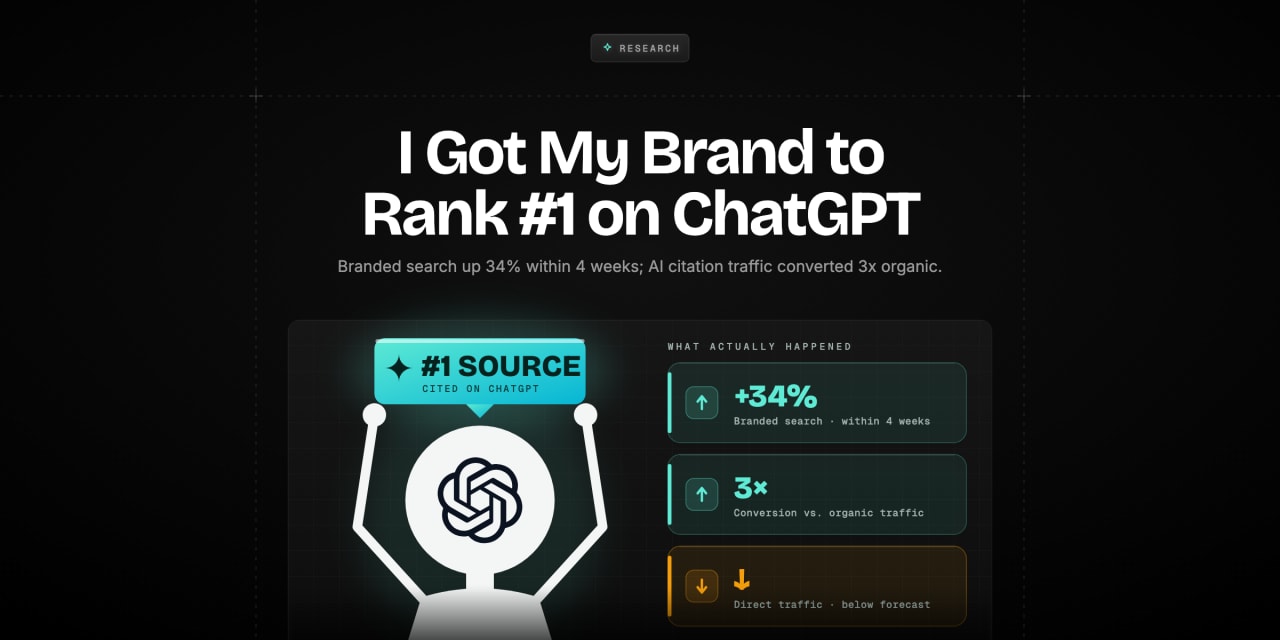
I Got My Brand to Rank \#1 on ChatGPT: What Actually Happened (Honest Results)
What actually happens when your brand achieves top citation in ChatGPT? An honest first-person account of the traffic, conversions, and brand impact, with the surprises included.

What Actually Affects AI Search Visibility? Separating Fact from Fiction in 2026
The AI SEO space is full of unsubstantiated claims and vendor hype. Here is an evidence-based breakdown of what genuinely affects AI search visibility and what does not.
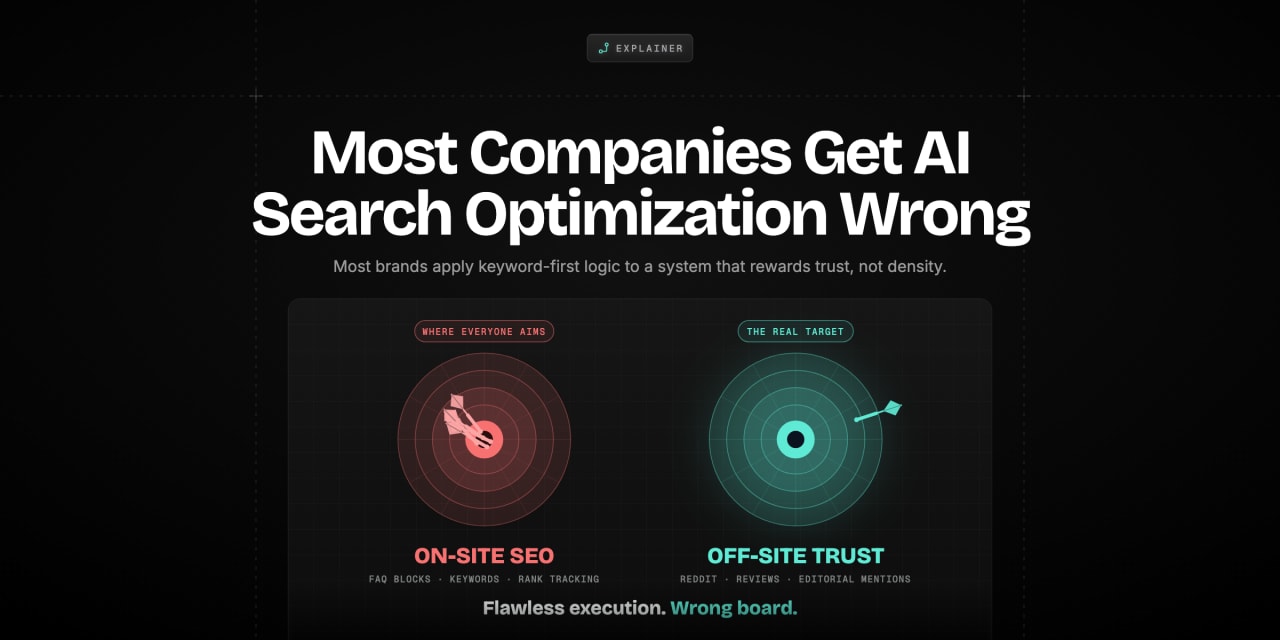
Why Most Companies Are Getting AI Search Optimization Wrong (And What to Do Instead)
Most brands are applying old-school SEO logic to AI search and getting poor results. Here are the fundamental AI search strategy mistakes and the 3 strategic shifts that fix them.
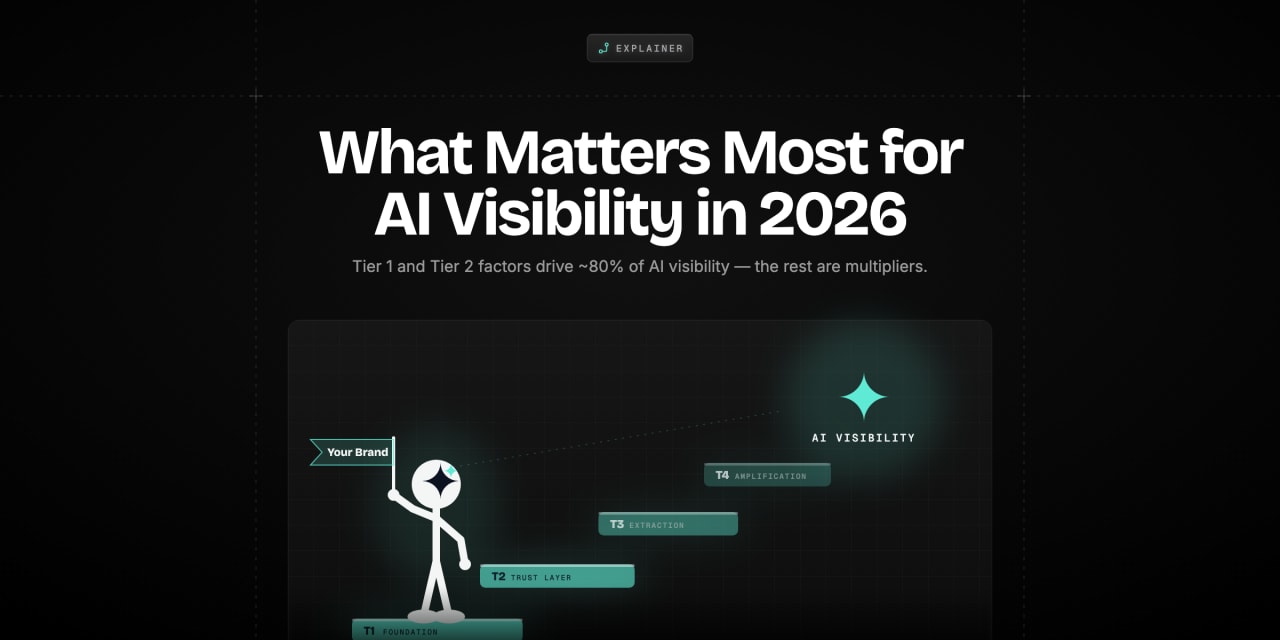
AI Ranking Factors in 2026: What Actually Matters Most for AI Search Visibility
Too many AI SEO guides list 20 factors without telling you which ones actually move the needle. Here is a prioritised breakdown of what matters most for AI search visibility in 2026.

Case Study: How I Got My Client's Site Cited in Google AI Overviews (Step by Step)
A real case study of taking a B2B client site from zero Google AI Overview presence to consistent citations in 12 weeks. Exact actions, timeline, and results.
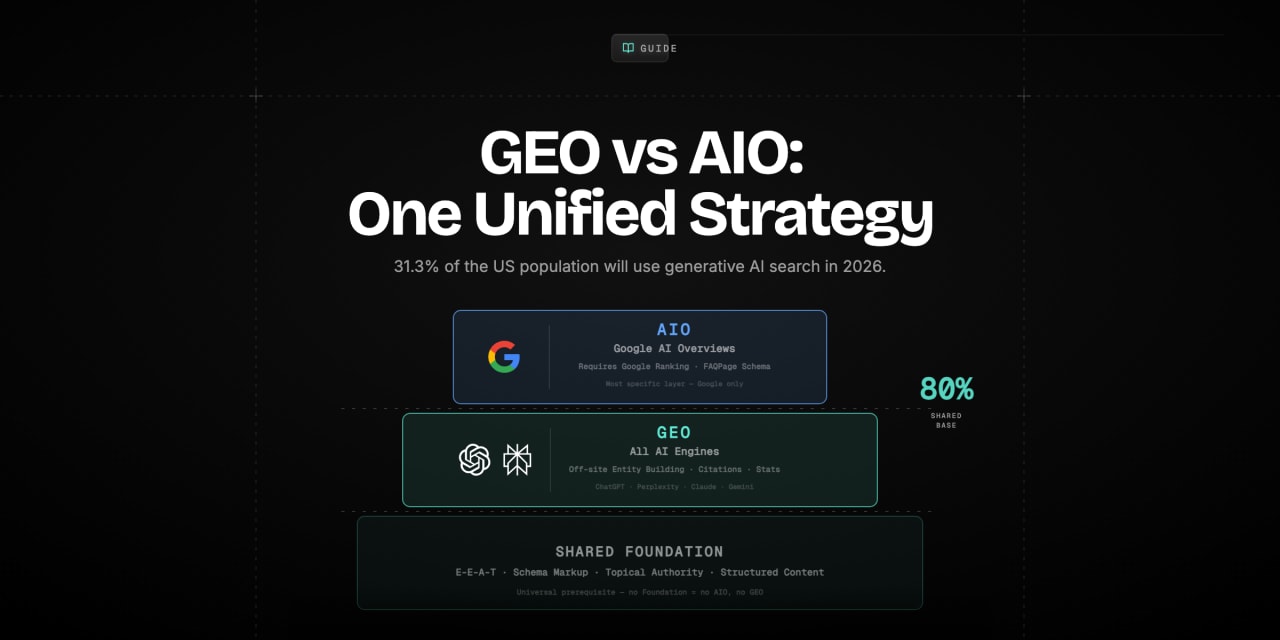
How to Rank Your Website in Both GEO and Google AI Overviews: A Complete 2026 Guide
GEO and AIO are related but different. Here is how to optimise for both Generative Engine Optimization and Google AI Overviews with one coherent strategy in 2026.
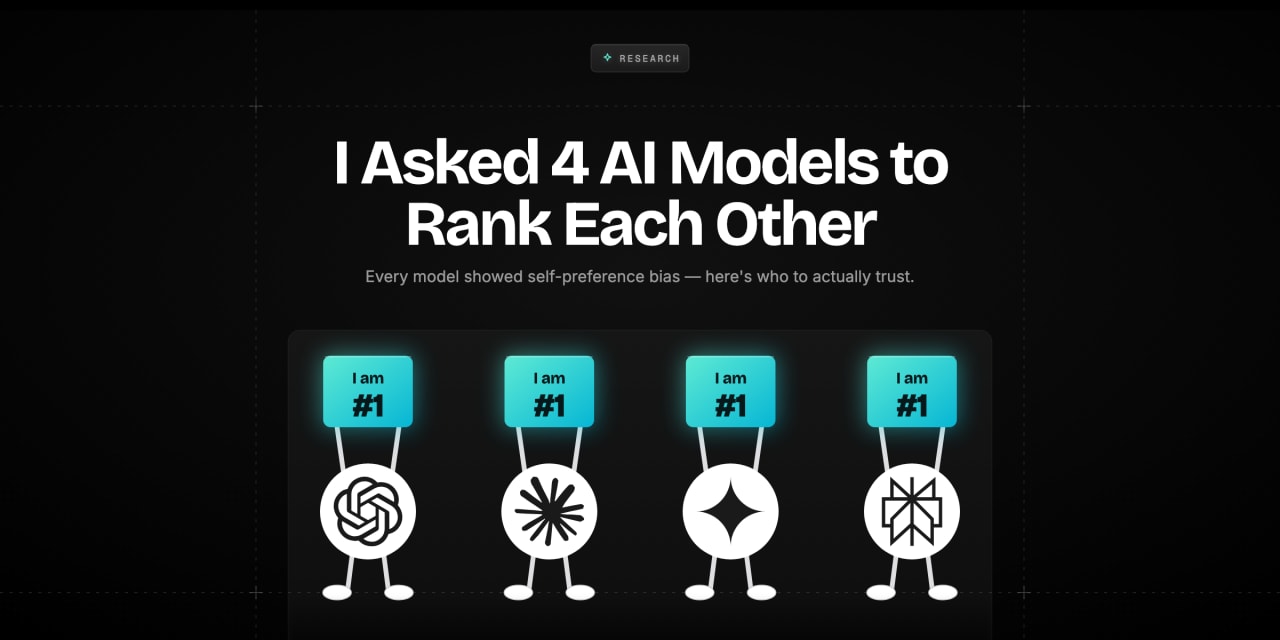
I Asked ChatGPT, Claude, Gemini, and Perplexity to Rank Each Other. Here's What They Said
What happens when you ask competing AI models to evaluate each other? We ran the experiment. The results reveal LLM self-assessment bias and which AI to actually trust for your work.
How AI search works
answered.
Pulled from the questions already answered on the guides in this topic.
No. Measurement found nearly 30% of cited domains did not appear in the first-page results shown alongside the Overview, so selection is not a re-ranking of the visible top results and position alone does not decide it.
Full guide: Decoding How Google AI Rankings Actually Work in 2026 →Not completely. Google describes them as built on its core ranking systems, which likely determine the candidate pool. Independent measurement indicates the step that chooses which candidates get cited applies criteria distinct from ranking order.
Full guide: Decoding How Google AI Rankings Actually Work in 2026 →In a large study of trending queries, they appeared on 13.7% of searches overall but 64.7% of question-form queries. Activation varies considerably by topic, so measuring your own category matters more than the average.
Full guide: Decoding How Google AI Rankings Actually Work in 2026 →It helps systems understand and index your content, which supports being considered. Controlled testing of content factors found formatting-level changes had little direct effect on which candidate gets cited, so treat schema as groundwork rather than strategy.
Full guide: Decoding How Google AI Rankings Actually Work in 2026 →There is no good evidence that they do. Google has repeatedly stated it does not use those analytics metrics as ranking signals, and the apparent link is better explained by good answers holding attention rather than attention causing selection.
Full guide: Decoding How Google AI Rankings Actually Work in 2026 →Yes. Researchers found 11.0% of atomic claims were unsupported by the cited pages, with omission the most common failure, meaning qualifications can be dropped. Keeping conditions inside the same sentence as the claim reduces the risk.
Full guide: Decoding How Google AI Rankings Actually Work in 2026 →Audits consistently find a narrow group of domains cited repeatedly, alongside a very large tail of domains cited only once or twice. Recognised reference sources, established publications and organisations with clear subject authority dominate the repeatedly cited group.
Full guide: What 200,000 AI Citations Reveal About Which Sites Get Cited →Not reliably. Research auditing four engines found roughly 16% of cited sources showed evidence of being AI-generated, so citation indicates that a page was retrievable, well structured and topically matched, rather than independently verified as authoritative.
Full guide: What 200,000 AI Citations Reveal About Which Sites Get Cited →